

Webster Personal Injury Lawyer
A serious accident can leave an injured person facing physical pain, medical bills, lost income, and uncertainty about what to do next. When another party’s negligence causes harm, New York law may allow the injured person to pursue compensation for qualifying losses. Understanding the claim process can be especially important when an insurance company disputes fault, questions medical treatment, or challenges the extent of an injury.
A Webster personal injury lawyer can review the circumstances surrounding an accident and explain the legal options that may be available. A personal injury attorney may help preserve evidence, investigate liability, organize medical documentation, communicate with insurers, and determine whether a personal injury claim should be pursued. Taking appropriate next steps early can also help protect evidence and identify deadlines that could affect the case.

Personal Injury Cases in Webster, New York
Personal injury cases can arise from car crashes, falls, unsafe property conditions, construction incidents, and other accidents involving negligence. The legal issues vary depending on how the injury occurred and which parties may bear responsibility.
A personal injury case generally requires evidence establishing the elements applicable to the particular legal theory. In an ordinary negligence claim, those issues typically include duty, breach, causation, and damages.
The facts matter. An injury alone does not prove negligence, and the fact that an accident occurred does not automatically make another person or business liable.
Webster residents pursuing a claim may need to gather medical records, photographs, witness statements, police reports, insurance correspondence, and other records that help explain what happened and document resulting losses.
The Four Elements of Negligence
The four elements commonly associated with an ordinary negligence claim are duty, breach, causation, and damages.
Duty concerns the legal obligation a defendant owed under the circumstances. For example, motorists generally have obligations to operate vehicles with reasonable care, while property owners and other parties responsible for premises may have duties concerning dangerous conditions.
Breach concerns whether the defendant failed to satisfy the applicable duty. Causation addresses whether that conduct caused the injury at issue. Damages concern the legally compensable harm resulting from the incident.
A claimant must prove the elements applicable to the claim through admissible evidence. The specific legal analysis always depends on the circumstances, and different types of claims may involve additional or different requirements.
Car Accident Injury Claims
A car accident can cause injuries ranging from temporary strains to fractures, head injuries, spinal injuries, or other serious physical conditions. The effects may include emergency medical care, rehabilitation, time away from employment, and substantial medical expenses.
New York uses a no-fault automobile insurance system for covered motor vehicle accidents. Eligible people may receive first-party benefits for qualifying basic economic loss without first proving another driver caused the collision.
For claims between covered persons, New York Insurance Law § 5104 generally limits recovery for non-economic loss unless the claimant has sustained a serious injury as defined by New York law. Qualifying economic losses exceeding basic economic loss may also be recoverable when applicable requirements are satisfied.
No-fault requirements can arise quickly. Under New York’s mandatory personal injury protection endorsement, written notice of an accident generally must be provided to the applicable insurer as soon as reasonably practicable and no later than 30 days after the accident, subject to the applicable justification provisions.
Evidence After a Car Accident
Building evidence can begin with information available at or shortly after the accident. Photographs, videos, witness contact information, vehicle damage, and road conditions may help establish how a collision occurred.
Police reports can provide an official record containing information gathered in connection with an accident, although the admissibility and evidentiary significance of particular statements within a report depend on the circumstances and applicable rules.
Witness statements may also become important when drivers disagree about traffic signals, vehicle positions, speed, or other events leading to the crash.
An accident lawyer may seek additional material such as surveillance video, vehicle information, medical documentation, or other records when relevant to disputed issues.
Medical Care and Documentation
Medical care after an accident should be based on the injured person’s symptoms and healthcare needs. Treatment may include emergency services, diagnostic testing, specialist appointments, surgery, physical therapy, medication, or rehabilitation.
Medical records generated during appropriate treatment can provide relevant information about symptoms, diagnoses, treatment, physical limitations, and prognosis.
Medical documentation may also become important when an insurer disputes whether a particular condition resulted from the accident. A gap in treatment can raise questions, but the significance of any gap depends on the reason for it and the circumstances of the individual case.
Healthcare decisions should be made for medical reasons rather than merely to create evidence for a legal claim.
Lost Wages and Lost Income
An injury can prevent a person from returning to work immediately or performing the same duties as before the accident. This can result in lost wages and other financial challenges.
Employment records, wage statements, tax documents, medical restrictions, and employer information may help document lost income.
Serious or permanent injuries may also affect future earning ability. Evaluating future financial loss can require consideration of the person’s occupation, physical limitations, expected recovery, work history, and other evidence.
Recoverable damages depend on the facts and applicable law, so a claimant should not assume that every employment-related loss will automatically be compensated.
Falls and Property Owner Responsibility
Falls can occur because of slippery floors, broken stairs, damaged walkways, inadequate maintenance, or other dangerous property conditions.
Property owners are not automatically liable whenever someone is injured on their premises. Depending on the circumstances, a claimant may need evidence that the responsible party created the dangerous condition or had actual or constructive notice of it. Possession, control, duty, and causation can also affect liability.
Evidence may include photographs, surveillance footage, inspection records, maintenance records, incident reports, and witness testimony.
Because a condition can be repaired or altered soon after an incident, efforts to preserve evidence may be particularly important in a premises liability claim.
Comparative Fault in New York
New York follows comparative fault principles under CPLR 1411. An injured person’s own culpable conduct generally does not automatically prevent recovery.
Instead, compensation may be reduced according to the person’s percentage of responsibility. For example, multiple drivers might share fault for a collision, or a defendant may argue that an injured claimant contributed to another type of accident.
Determining fault requires examination of the conduct of all relevant parties. Photographs, testimony, records, physical evidence, and other information can help establish responsibility.
An insurance company’s initial allocation of fault does not necessarily determine the final outcome of a legal claim.
Compensation After a Personal Injury
The ability to recover compensation depends on liability, causation, damages, available evidence, insurance coverage, and other circumstances.
Depending on the case, an injured person may be able to recover damages for qualifying medical expenses, lost wages, lost income, future healthcare needs, rehabilitation, and other economic losses.
Compensation may also include pain and suffering and other non-economic harm when recoverable under applicable New York law.
The amount of a potential recovery cannot be determined solely from the type of accident or injury. Each claim depends on its own facts, supporting evidence, and legal issues.
Pain, Suffering, and Emotional Effects
An injury may interfere with mobility, sleep, recreation, work, family responsibilities, and other parts of daily life. Some injuries cause limitations that continue long after initial medical treatment ends.
Pain and suffering damages may be available when permitted under the law governing the claim. Relevant evidence can include medical records, testimony, physical restrictions, treatment history, and prognosis.
A serious injury may also have emotional consequences. Whether a particular form of emotional harm is compensable depends on the legal claim and supporting evidence.
A lawyer can review these losses as part of evaluating the overall compensation potentially available.
Dealing With Insurance Companies
Insurance companies may investigate liability, causation, treatment, and damages before deciding whether to pay a claim or make a settlement offer.
An insurer may request medical information, statements, wage documentation, photographs, or other records. An injured claimant should understand what is being requested and how the information relates to the claim.
An insurer may also dispute whether medical expenses are related to the accident or whether all claimed losses are supported by evidence.
Legal representation can help organize supporting information, address disputed issues, and protect a claimant’s interests during negotiations.
Settlement Discussions
Settlement discussions may occur before or after a lawsuit is filed. A settlement can provide a negotiated resolution without requiring a court or jury to determine every disputed issue.
Whether a proposed settlement is appropriate depends on liability, damages, available insurance, medical evidence, future needs, litigation risk, and other factors.
Accepting a settlement generally requires the claimant to sign a release affecting further claims against the settling party. The terms should therefore be understood before an agreement is finalized.
No injury attorney can guarantee a settlement amount or particular recovery.
Filing a Personal Injury Lawsuit
When a claim cannot be appropriately resolved through negotiation, filing a lawsuit may be an available option.
Litigation can involve pleadings, discovery, document exchange, depositions, medical examinations, expert evidence, motions, settlement negotiations, and trial preparation.
The defendant may dispute liability, causation, damages, or multiple aspects of the case. Both parties may obtain evidence and present arguments supporting their positions.
Some cases resolve during litigation, while other cases proceed to trial. The appropriate approach depends on the individual matter rather than a predetermined path.
New York Personal Injury Deadlines
Many New York personal injury actions are subject to a three-year limitations period under CPLR 214(5). However, accrual rules, tolls, exceptions, the identity of the defendant, and other statutes can change the applicable deadline.
Claims involving certain government defendants may involve shorter notice requirements. Medical malpractice and wrongful death claims also have different statutory rules.
Insurance deadlines can arise independently of the deadline for commencing a lawsuit. This is particularly important in automobile cases involving no-fault benefits.
Because missing an applicable deadline can affect legal rights, determining the relevant time limits should be part of the early claim process.
Wrongful Death Claims in New York
An accident caused by wrongful conduct can sometimes result in death. New York law provides a wrongful death action when the statutory requirements are satisfied.
The decedent’s personal representative brings the wrongful death action for the benefit of qualifying distributees. Under EPTL § 5-4.1, the action generally must be commenced within two years after the decedent’s death, although other statutory provisions and circumstances can affect the deadline.
Damages in a wrongful death case are governed by New York law and depend on the evidence and legally recoverable losses. The rules are different from those governing an ordinary personal injury claim.
Families dealing with a fatal accident may therefore benefit from learning about applicable deadlines and legal requirements as early as reasonably possible.
Preserving Evidence After an Accident
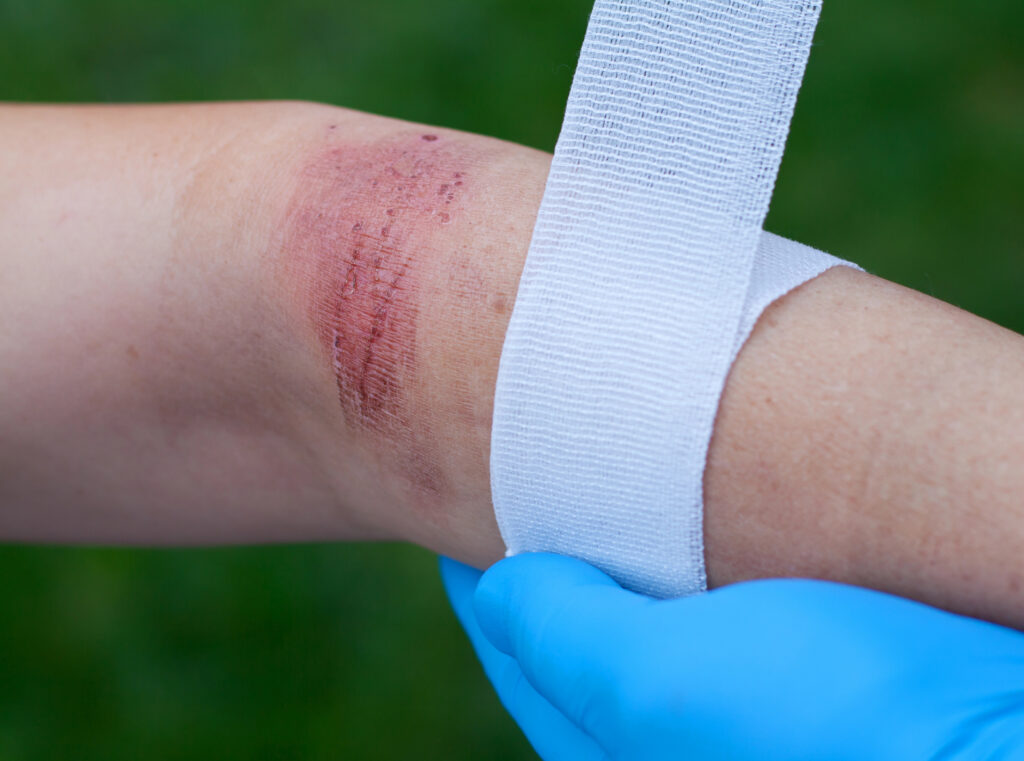
Evidence can disappear or become more difficult to obtain with time. Surveillance footage may be overwritten, physical conditions can change, vehicles may be repaired, and witnesses may become difficult to locate.
To preserve evidence, an injured person can retain photographs, videos, correspondence, medical documents, receipts, witness information, and other relevant records already available to them.
An attorney may also determine whether additional steps are appropriate to request or preserve evidence controlled by another person, company, or organization.
Early investigation can support a more complete understanding of what happened without guaranteeing that any particular evidence will prove liability.
How a Personal Injury Attorney Can Help
A personal injury attorney can investigate an accident, evaluate liability, identify potentially responsible parties, gather evidence, review insurance coverage, document damages, and pursue compensation when supported by the facts and law.
An attorney may communicate with insurers, participate in settlement discussions, prepare legal filings, conduct discovery, and present a case in court when necessary.
Legal representation can also help clients understand deadlines, litigation risk, and the strengths and weaknesses of their claims.
The goal is to provide support throughout the process while protecting the client’s legal interests and helping the client make informed decisions.
Choosing a Webster Personal Injury Lawyer
Choosing a lawyer involves more than selecting the first result from an online search. Relevant considerations may include personal injury experience, familiarity with the type of accident involved, communication practices, litigation experience, and available resources.
Prospective clients can ask how a lawyer evaluates liability, how the firm communicates about a case, and who will have responsibility for handling important stages of the claim.
Claims about combined experience should be verified before they are relied upon as a reason for choosing attorneys or a particular firm. Prior results also cannot guarantee the outcome of a future case.
A consultation provides an opportunity to ask questions and determine whether the attorney’s approach is appropriate for the circumstances.
Personal Injury Legal Fees
People injured in accidents may be concerned about the cost of hiring legal counsel. Personal injury cases are often handled on a contingency fee basis.
The applicable fee arrangement depends on the type of claim and must comply with New York law, applicable court rules, and professional-conduct requirements. Different rules can apply to certain types of cases, so there is no single fee structure that should be assumed for every personal injury matter.
The written retainer agreement should explain the applicable fee arrangement and treatment of case expenses as required by applicable rules. Clients should understand these provisions before retaining counsel.
A free consultation can also provide an opportunity to ask how attorney fees and litigation expenses would be handled in a particular case.
A Note About Webster, New York
People looking for legal help in Webster should distinguish Webster, New York, from communities with similar names elsewhere in the country. For example, Webster Groves is a separate municipality in Missouri and is unrelated to a personal injury claim arising in Webster, New York.
For Webster residents injured in New York, the applicable law will generally depend on where the accident occurred, the parties involved, and other jurisdictional circumstances.
This distinction can be important when conducting an online search because legal rules and filing deadlines vary from state to state.
An attorney evaluating the case can determine which jurisdiction’s law applies rather than relying solely on a location appearing in search results.
Protecting Your Rights After an Injury
After an accident, immediate attention should focus on safety and appropriate medical needs. Once those concerns are addressed, documenting the incident and keeping relevant records can help preserve information about what happened.
Avoid assuming that an insurance company’s initial assessment determines fault or the value of the claim. Liability, injuries, expenses, and future needs may require additional investigation.
An accident lawyer can help determine whether another party may bear legal responsibility and explain available options for seeking recovery.
For an injured person facing physical, financial, and emotional challenges, understanding the process can make it easier to make informed decisions about what to pursue next.
Choosing Brown Chiari LLP as Your Webster Personal Injury Attorney
Learn more about Webster personal injury cases and your legal options with Brown Chiari LLP. Call Brown Chiari LLP at (716) 681-7190 to schedule your free consultation. You can also contact Brown Chiari LLP through our online contact page. Let us help you understand your options and take the next step toward protecting your rights and pursuing compensation after an injury.
Webster Personal Injury Lawyer FAQs
Many New York personal injury actions are subject to a three-year limitations period under CPLR 214(5), but the actual deadline can depend on the type of claim, when it accrued, the defendant involved, and applicable exceptions or tolls. Certain claims have different or shorter requirements.
Useful evidence may include photographs, videos, medical records, police reports, witness statements, employment records, insurance correspondence, and other documentation related to liability and damages. The evidence needed to prove a claim depends on the circumstances.
Potentially. Under New York's comparative fault rule, an injured person's own culpable conduct generally does not automatically bar recovery. Compensation may instead be reduced according to the person's percentage of responsibility.
Depending on the claim, recoverable damages may include qualifying medical expenses, lost wages, future financial losses, rehabilitation costs, and pain and suffering. The compensation available depends on the evidence, injuries, liability, and applicable law.
Personal injury cases are often handled on a contingency fee basis, but the applicable fee structure depends on the type of case and must comply with New York law and applicable court and professional-conduct rules. The specific arrangement and treatment of expenses should be explained in the applicable written retainer agreement.
There is no need to wait until medical treatment is complete before asking about legal options. Contacting a lawyer sooner may provide more time to investigate the accident, preserve evidence, identify applicable insurance requirements, and determine which legal deadlines govern the claim.