

While food poisoning may be a blanket term for food-borne illness, there are many different causes and symptoms. Depending on the type of food and how it is prepared, there are various bacteria that can grow and infect consumers.
 Listeria is a bacteria that typically hides in dairy products and produce. This strand of food poisoning usually affects pregnant women, people 65 years and older and those with a compromised immune system. While contamination is sometimes difficult to avoid, there are preventative measures to be taken. The Center for Disease Control and Protection released an article discussing tips for protecting your health, including:
- Make sure any dairy products you consume are made with pasteurized milk
- Cut melon should not be left out at room temperature for more than four hours
- Sprouts need to be cooked thoroughly to avoid getting sick
Coming in contact with Listeria can be frightening and difficult to predict. However, taking proper preventative measures and understanding how to properly care for your food will help keep you safe and healthy.



 If working on a ladder is the best option for you, there are a number of ways to ensure your safety. Safety and Health Magazine discuss the best tips to follow when using a ladder, including:


 In a recent blog post, Aging Care discusses some measures that the family members, home care companies and professional caregivers can take to ensure a pleasant transition into at-home caregiving for the senior. Some of those include:

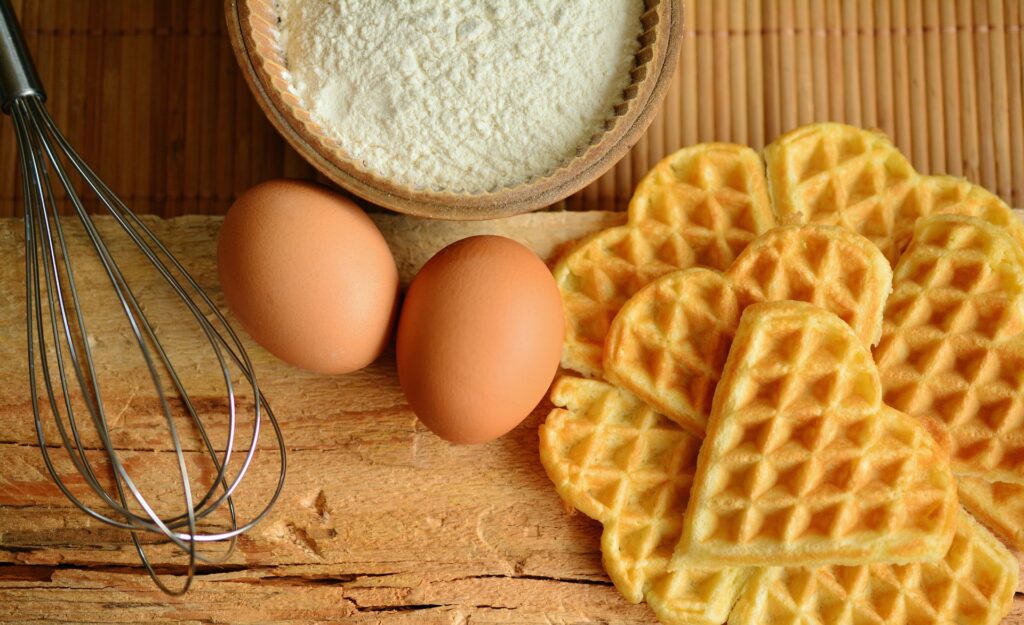 In a recent blog, University of Minnesota Extension suggests some ways to prepare your eggs to ensure that you are consuming them safely. Here are a few of them: