AVAILABLE 24/7, CALL NOW (716) 681-7190

Shopping malls serve as popular gathering places for shopping, dining, and entertainment. Yet with the high volume of foot traffic and multiple businesses sharing the same space, it’s no surprise that accidents and injuries occur. From slip and falls to injuries caused by malfunctioning escalators or poor lighting, shopping mall accidents are surprisingly common. When injuries happen, it’s natural to wonder: who’s responsible?

At Brown Chiari LLP, we help clients across New York understand their legal rights under premises liability law. Whether your injury occurred in a mall’s parking lot, food court, or inside an individual store, our personal injury lawyers are ready to help you pursue fair compensation.
Understanding Liability in Shopping Mall Accidents

Premises liability governs most injury cases involving shopping malls. Under New York law, property owners—including shopping mall owners, store owners, and management companies—are required to maintain safe premises for guests. This means identifying and fixing potential hazards like wet floors, uneven surfaces, or inadequate lighting before someone gets hurt.

When shopping mall owners or store owners fail to exercise reasonable care, and someone is injured as a result, they can be held liable. This applies whether the injury occurs in shared areas like parking lots or inside individual retail stores. Multiple parties may share liability, depending on the specific facts of the case.

Common Causes of Shopping Mall Injuries

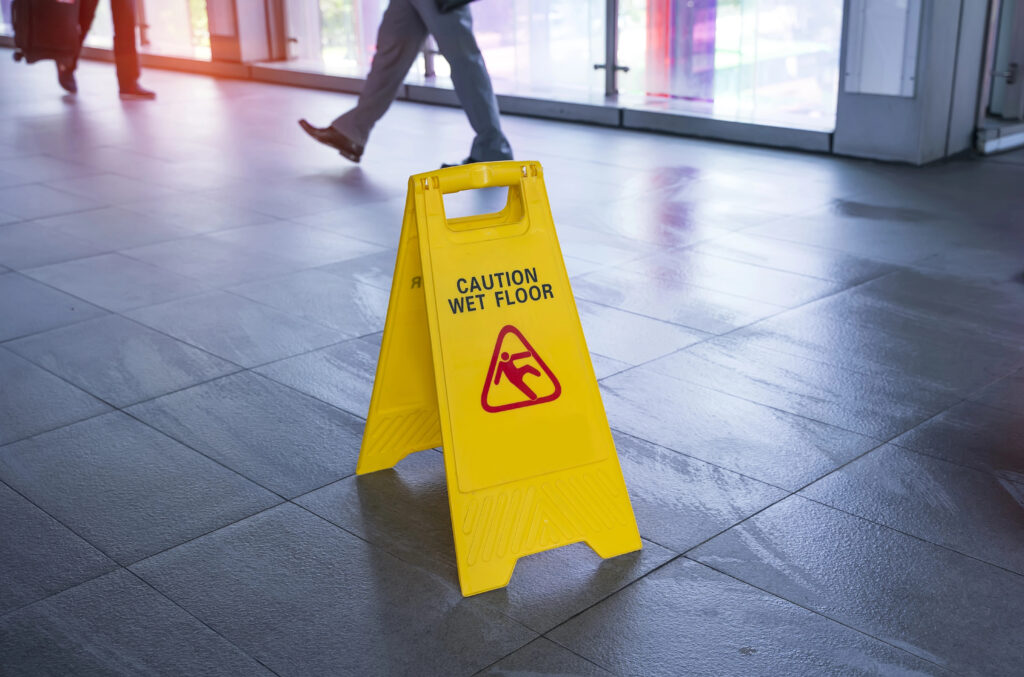
Shopping mall injuries often result from hazardous conditions that are entirely preventable. Slip and fall incidents remain the most frequent cause, particularly due to wet floors, slippery tile, or staircases without handrails. Fall accidents are also common around escalators, elevators, or icy parking lots.

Other hazards that can lead to serious mall injuries include malfunctioning escalators, broken steps, poor lighting in hallways or parking garages, and even inadequate security. These conditions pose risks not only to shoppers but also to employees and vendors working in the mall.

When a dangerous condition is known or should have been known by mall owners or store owners, and they fail to correct it, their negligence can make them legally responsible for injuries sustained on the premises.

Determining Liability in a Shopping Mall Accident

Figuring out who is responsible in a shopping mall accident is not always straightforward. For example, if someone is injured due to broken flooring in a shared corridor, the mall owners may be liable. But if the injury occurs inside a specific store due to cluttered aisles or a wet floor without warning signs, the store owner may be responsible.

In some cases, liability is shared. A cleaning contractor might be held accountable if they neglected routine maintenance, or a security company might face liability if their failure to provide adequate security leads to injuries from criminal activities.

An experienced personal injury attorney can help determine liability, gather evidence, and build a strong case on your behalf. This includes documenting the accident, obtaining witness statements, and reviewing maintenance records.

What to Do If You’re Injured in a Shopping Mall

If you’re injured in a shopping mall, your first priority should be seeking medical care. Prompt documentation of your injuries helps link them directly to the accident. Next, report the incident to mall or store management and ask that an incident report be created.

Preserve evidence by taking photos of the accident scene, especially if a dangerous condition was involved—like a spill, broken flooring, or poor lighting. Keep track of all medical expenses, lost wages, and any other costs related to the injury.

Finally, speak with a personal injury attorney who understands premises liability and can guide you through your legal options. At Brown Chiari LLP, we offer free consultations and will explain how New York law applies to your specific situation.

Compensation for Shopping Mall Injuries

Victims of shopping mall accidents may be entitled to recover damages for a variety of losses. These may include medical expenses, lost wages, pain and suffering, and the cost of future treatment. In cases of severe injuries—such as head injuries or broken bones—compensation can help address long-term recovery needs.

Every case is unique, and the value of your claim will depend on factors such as the severity of your injuries, the impact on your daily life, and whether the liable party disputes fault. Having a skilled personal injury lawyer on your side increases the likelihood of receiving full and fair compensation.
Why Legal Representation Matters

Shopping mall accidents often involve complex liability questions, especially when multiple parties share responsibility. A personal injury attorney can help navigate these complexities, ensure evidence is preserved, and negotiate with insurance providers on your behalf.

At Brown Chiari LLP, we have successfully represented clients injured in shopping centers, malls, and retail stores. Our team will thoroughly investigate your case, identify all negligent parties, and fight to ensure those responsible are held accountable under New York’s liability laws.

Learn more about Who’s Responsible for Injuries in Shopping Malls. Call Brown Chiari LLP at (716) 681-7190 to schedule your free, no-obligation consultation. You can also reach us anytime through our contact page. Let us help you take the first step toward justice and recovery.

FAQs: Injuries in Shopping Malls

Who is liable for injuries in a shopping mall parking lot?

Shopping mall owners are generally responsible for maintaining safe parking lots, including snow and ice removal, lighting, and surface conditions.

What if I was injured inside a retail store, not in the mall itself?

Store owners are typically responsible for injuries that occur inside their leased space due to their own negligence.

Can multiple parties be held accountable in a shopping mall accident?

Yes. Liability may be shared among mall owners, store owners, or third-party contractors, depending on where and how the accident occurred.

How long do I have to file a claim after a mall injury in New York?

In most cases, you have three years from the date of the accident to file a personal injury claim. However, prompt action is recommended.

What kind of compensation can I receive?

You may be eligible for compensation covering medical expenses, lost wages, pain and suffering, and other damages related to your injury.
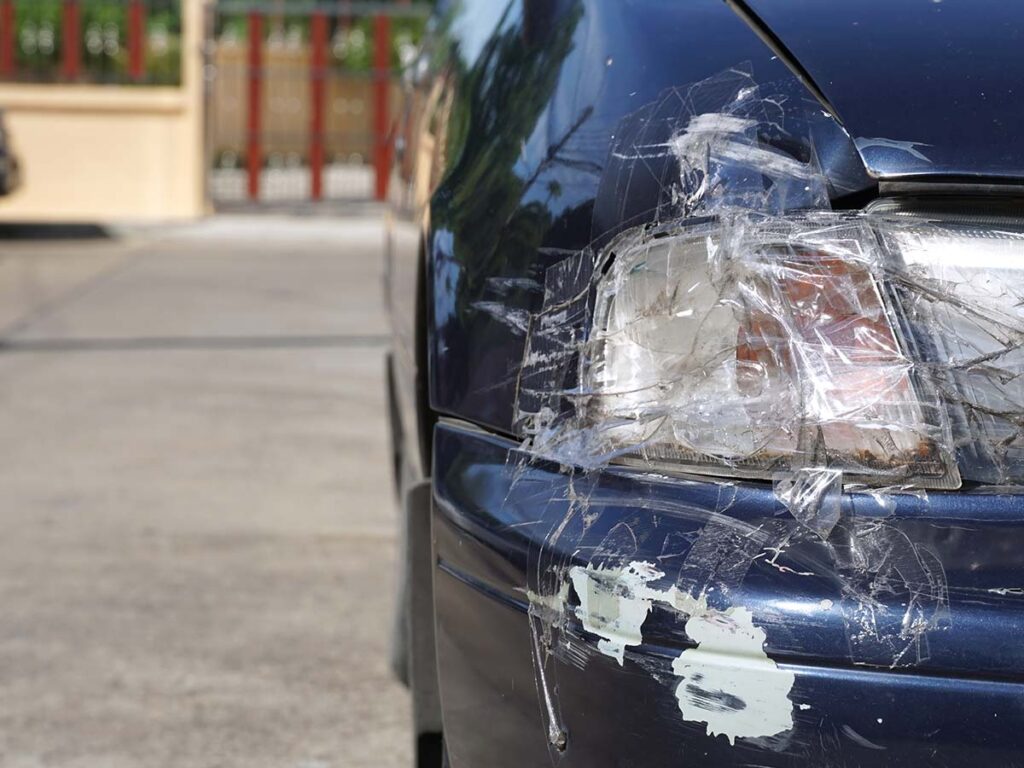

When you’re driving, you expect your vehicle to perform reliably and protect you in the event of a crash. But when an undetected or unaddressed defect compromises the integrity of your car, the consequences can be devastating. From defective brakes to faulty wiring, auto defects can lead to car accidents, severe injuries, or even vehicle fires.

Understanding the most common causes of auto defects is critical not just for vehicle safety, but also for pursuing accountability when manufacturers fail to uphold safety standards. At Brown Chiari LLP, our law firm helps clients who have suffered due to vehicle defect issues across New York. If you or a loved one has been injured, you may be eligible to pursue compensation through legal action.

Let’s explore the causes behind auto defects, how they relate to car accidents, and your legal rights under U.S. consumer protection laws.

What Are Auto Defects?

Auto defects refer to flaws in a vehicle’s design, components, or manufacturing process that make the vehicle unsafe to drive. These defects often lead to mechanical failure, making it harder or even impossible for a driver to maintain control of the car. Whether they affect the antilock brake system, electrical systems, or steering wheel, defects can cause catastrophic outcomes at high speeds or in critical moments.

The Most Common Causes of Auto Defects

The root causes of most vehicle defects can often be traced to one or more of the following:

1. Manufacturing Errors

The most common cause of auto defects is a failure during the vehicle manufacturing process. If a defective part is installed or assembled incorrectly, it may lead to brake failure, faulty suspension, or other issues. In some cases, entire batches of vehicles are recalled because of widespread problems introduced on the production line.

2. Design Defects

Design flaws can make a vehicle inherently dangerous even if it’s manufactured properly. Poorly designed fuel systems, weak sidewalls in tires, or overly sensitive brake lines can all compromise safety and lead to unexpected car accidents.

3. Use of Substandard Materials

Cutting costs with low-grade materials can result in weak or malfunctioning components, such as defective tires or faulty wiring. Electrical shorts can occur when wires degrade or are exposed, and poorly constructed components can catch fire under strain.

4. Lack of Routine Maintenance or Oversight

While drivers are responsible for regular maintenance, vehicle manufacturers are required to provide guidance for safety and servicing. Inadequate instructions or missing recall notices may prevent owners from knowing they need to replace failing parts like windshield wipers or brake lights.

5. Failure to Issue Recalls

Vehicle manufacturers must issue recalls when they learn about dangerous defects. Failure to act can lead to ongoing accidents, injuries, and legal liability. Ignoring known problems with defective airbags or defective fuel systems is both unethical and legally risky.

Examples of Common Vehicle Defects

Below are some of the most common vehicle defects that lead to car accidents:

  • Brakes: From faulty brake lines to defective brake fluid systems, braking issues are a top cause of crashes. Problems with a vehicle’s dual brake system or antilock brake system can cause a driver to lose control and result in a car crash.
  • Electrical systems: Defects in wiring, fuses, or control modules can cause electrical shorts or malfunctioning airbags.
  • Defective tires: Weak sidewalls and poor tread design can cause tire blowouts and compromise control.
  • Faulty suspension: A defective suspension can cause instability at high speeds, increasing the risk of rollovers.
  • Defective part installations: Malfunctioning steering wheels or turn signals due to improper installation can reduce a driver’s ability to respond safely.

How Auto Defects Cause Accidents

When auto defects emerge at the wrong time, they can turn any routine trip into a life-threatening event. Imagine hitting your brakes on a wet road, only to discover that your brake fluid has leaked or your antilock brake system has failed. These scenarios can cause the driver to lose control and end in a serious auto accident.

Other common outcomes of auto defects include:

  • Car accidents caused by loss of control due to defective brakes
  • Malfunctioning airbags that fail to deploy in a crash
  • Car fires caused by faulty electrical systems or defective fuel systems
  • Accidents due to broken windshield wipers or failed turn signals in poor weather
  • Steering wheel issues that prevent maneuvering in time

Holding Manufacturers Accountable

If a defect caused or contributed to your accident, the vehicle manufacturer may be liable. Product liability laws protect consumers from unsafe vehicles and require that manufacturers design, build, and test cars to meet federal safety standards.

Victims can often file claims against the vehicle manufacturer, the supplier of the defective part, or any party in the manufacturing chain. These claims are highly technical and benefit from experienced legal guidance.

Legal Options After an Accident Caused by a Defect

When an accident occurs due to a vehicle defect, victims can seek compensation for:

  • Medical costs and lost income
  • Pain, suffering, and emotional trauma
  • Property damage and rehabilitation expenses

Our law firm can help you understand your legal options. We’ll gather evidence, consult technical experts, and represent you in claims against negligent manufacturers.

How Brown Chiari LLP Can Help

At Brown Chiari LLP, we offer legal representation to clients injured in accidents involving vehicle defects. Our attorneys are skilled at identifying the root cause of auto defects and holding the responsible party accountable. Whether the issue lies in faulty brakes, defective tires, or electrical systems, we know how to build strong cases and pursue justice for our clients.

We provide free consultation to evaluate your case and explain how to move forward. From routine maintenance failures to major design flaws, we have handled a wide range of defect claims and helped clients recover the compensation they deserve.

Learn more about What Are the Most Common Causes of Auto Defects. Call Brown Chiari LLP at (716) 681-7190 to schedule your free, no-obligation consultation. You can also reach us anytime through our contact page. Let us help you take the first step toward justice and recovery.

FAQs: Common Auto Defect Cases in New York

What is considered a vehicle defect?

Any flaw in a car’s design, manufacturing, or components that compromises safety can be a defect. This includes defective brakes, faulty wiring, and electrical shorts.

Can a vehicle manufacturer be sued for a car accident caused by a defect?

Yes. If a defect caused your accident, you may have grounds to sue the vehicle manufacturer under product liability law.

What are some signs that a defect caused my crash?

Unusual vehicle behavior like brake failure, unexpected acceleration, or steering loss may indicate a defect. It’s important to have your vehicle inspected after a crash.

Are there recalls for every defect?

No. While manufacturers are supposed to issue recalls, many defects go unaddressed. You can check for open recall notices on the National Highway Traffic Safety Administration (NHTSA) website.

What compensation can I pursue for a defect-related accident?

You may be eligible to recover damages for medical expenses, lost wages, property damage, and pain and suffering.

Slip and fall accidents can happen in the blink of an eye, but the consequences can last a lifetime. From mounting medical bills to lost wages and long-term pain, victims are often left wondering how to move forward. One of the most important aspects of pursuing a slip and fall case in New York is understanding how the state’s negligence laws come into play.

At Brown Chiari LLP, we understand the emotional and financial toll of a fall accident. Our Buffalo-based legal team is here to guide you through every step of the legal process and help you recover fair compensation for your injuries. In this blog, we’ll explain how New York’s negligence laws affect your slip and fall claim, what you need to prove negligence, and how to build a strong case for recovery.

Understanding Negligence in New York Slip and Fall Cases

To successfully pursue a slip and fall claim, you must establish that the property owner failed to maintain a reasonably safe environment. This involves proving the property owner owed you a legal duty, breached that duty, and caused your injuries as a result. These are the four key elements of negligence in any personal injury case:

  1. Duty of care – The property owner owed you a duty to maintain safe premises.
  2. Breach of duty – The owner failed to take reasonable steps to prevent dangerous conditions.
  3. Causation – The dangerous condition directly caused your fall accident.
  4. Damages – You suffered measurable losses, such as medical expenses or lost wages.

New York law holds that all property owners must maintain their premises in a condition that is safe for lawful visitors. If the property owner failed to fix dangerous conditions, post warning signs, or conduct routine maintenance, they may be found liable for your injuries.

New York’s Pure Comparative Negligence System

New York follows a pure comparative negligence system, which means fault can be shared between multiple parties. Even if you are partially at fault for your slip and fall incident—say, you were texting while walking—you can still recover damages. However, your compensation will be reduced by your percentage of fault.

For instance, if a jury awards you $100,000 in damages but finds you 30% responsible for the fall incident, you would receive $70,000. This system encourages fair settlements but also makes it essential to gather strong evidence that supports your version of events.

What Qualifies as a Slip and Fall Accident?

A slip and fall accident typically involves someone slipping, tripping, or falling due to a dangerous condition on someone else’s property. Common causes include:

  • Wet floors with no warning signs
  • Uneven sidewalks or pavement
  • Poor lighting in stairwells
  • Loose handrails or torn carpeting
  • Snow and ice not cleared in a timely manner

In each of these scenarios, the property owner’s knowledge of the hazard and their failure to correct it are crucial to proving fault. If a property owner failed to act as a reasonable person would, they could be held accountable.

Proving Negligence in a Slip and Fall Case

To prove negligence in a slip and fall case, you’ll need to present crucial evidence that establishes liability. This can include:

  • Photographs of the accident scene
  • Eyewitness statements
  • Medical records showing the extent of your injuries
  • Maintenance records that demonstrate neglect
  • Expert testimony about the dangerous condition

The presence of warning signs, or lack thereof, often plays a pivotal role in fall liability. A reasonable person standard is applied to evaluate whether the property owner took the necessary precautions to prevent harm.

Filing a Slip and Fall Claim in New York

If you’ve been injured in a slip and fall, you should act quickly to file a slip and fall claim. In New York, the statute of limitations for personal injury cases is generally three years from the date the accident occurred. Delaying action can make it harder to gather evidence and prove negligence.

Key steps to take after a slip and fall incident include:

  1. Seek immediate medical attention to document your injuries.
  2. Report the fall accident to the property owner or manager.
  3. Gather evidence such as photographs, surveillance footage, and witness information.
  4. Keep copies of your medical records, medical bills, and documentation of lost wages.

The success of your fall lawsuit will depend largely on the strength of your documentation and your legal representation.

Damages You Can Recover in a Slip and Fall Claim

Victims of fall cases in New York may be entitled to various forms of compensation, including:

  • Medical expenses for emergency treatment, surgeries, and rehabilitation
  • Lost wages from missed work
  • Emotional distress and pain and suffering
  • Fair compensation for long-term disability or permanent injury

An experienced attorney from a trusted law firm like Brown Chiari LLP can help you calculate the full value of your damages and negotiate with insurance companies for a fair settlement.

The Role of a Personal Injury Lawyer in Slip and Fall Cases

Hiring a personal injury lawyer is one of the most important steps in protecting your rights. Your attorney can assist with evidence gathering, evaluate the legal duty owed by the responsible party, and ensure that all legal process steps are followed correctly.

Our team has decades of experience handling fall claims in Buffalo and throughout Western New York. We understand the nuances of New York law and how comparative negligence impacts settlement negotiations.

Common Locations for Slip and Fall Accidents

Slip and fall incidents can happen anywhere, but common locations include:

  • Grocery stores and retail outlets
  • Sidewalks and parking lots
  • Apartment complexes and residential buildings
  • Office buildings and public facilities

Regardless of where the fall incident occurred, the property owner may still be held liable if they failed to provide a safe environment or take reasonable steps to eliminate known hazards.

Why Choose Brown Chiari LLP?

At Brown Chiari LLP, we’re committed to helping injury victims recover compensation after serious injuries. Our reputation as a results-driven law firm stems from our dedication to justice, extensive experience, and compassionate approach to every personal injury claim.

We provide aggressive advocacy against insurance companies and have the resources needed to build a successful slip and fall case. Our attorneys are highly skilled in handling New York slip and fall liability cases and delivering results that matter.

Learn more about How New York’s Negligence Laws Affect Slip and Fall Cases. Call Brown Chiari LLP at (716) 681-7190 to schedule your free, no-obligation consultation. You can also reach us anytime through our contact page. Let us help you take the first step toward justice and recovery.

FAQs: New York Slip and Fall Cases

What is the statute of limitations for a slip and fall case in New York?

You generally have three years from the date of the slip and fall accident to file a lawsuit in New York. It’s essential to act quickly to preserve evidence.

Can I still recover damages if I was partially at fault for the fall?

Yes. Under New York’s pure comparative negligence system, you can still recover damages even if you were partly responsible, but your award will be reduced accordingly.

What types of damages can I recover in a fall claim?

Damages may include medical expenses, lost wages, pain and suffering, and emotional distress depending on the severity of your injuries.

How do I prove the property owner was negligent?

You must demonstrate that the property owner failed to maintain safe conditions and that this failure directly caused your injuries. Evidence such as maintenance records and witness testimony can help.

Do I need a lawyer for a slip and fall case?

While you’re not legally required to hire a lawyer, having legal counsel can dramatically improve your chances of reaching a fair settlement. An experienced attorney can handle the complexities of New York’s personal injury law.

Workplace chemical exposure poses serious risks to workers across a wide range of industries in Rochester and Monroe County. From harmful fumes and toxic substances in manufacturing to asbestos exposure in construction and older buildings, the dangers of working with or around hazardous chemicals are well documented. But when a worker becomes ill due to toxic chemical exposure on the job, who is held liable?

Understanding when and how Rochester employers can be held responsible for toxic exposure injuries is key to protecting your rights. At Brown Chiari LLP, our law firm helps injured workers pursue workers compensation benefits and other legal options after suffering from workplace chemical exposure.

Common Causes of Workplace Chemical Exposure

Toxic chemical exposure in the workplace can happen suddenly, through a spill or accident, or gradually over time due to prolonged contact with hazardous substances. Common sources include:

  • Toxic chemicals in manufacturing processes
  • Hazardous materials like asbestos or lead paint
  • Industrial solvents or cleaning agents
  • Contaminated drinking water
  • Poor ventilation in enclosed work environments
  • Chemical leaks or spills in warehouses or labs

Employees may be exposed through inhalation, skin contact, ingestion, or even contaminated clothing. In certain industries, the risk is particularly high—especially in manufacturing, construction, automotive, and cleaning sectors.

Can Employers Be Held Liable?

In most cases, workers exposed to harmful chemicals at work are eligible to file a workers compensation claim. Under New York State workers compensation law, employees do not need to prove employer negligence to receive benefits. Instead, they must show that the chemical exposure occurred in the course of employment and led to illness or injury.

Employers are generally protected from personal injury lawsuits by the workers compensation system. However, there are exceptions:

  • If the employer acted with gross negligence or knowingly exposed workers to danger, a personal injury claim may be possible.
  • If the exposure was caused by a third party, such as a product manufacturer or subcontractor, a separate toxic exposure claim may be filed.

In any case, an experienced attorney can help determine whether a claim should be pursued against an employer, third party, or both.

Symptoms and Illnesses Linked to Chemical Exposure

Exposure to toxic substances can cause a wide range of short- and long-term health problems. These may include:

  • Respiratory issues
  • Chemical burns
  • Skin irritation or rashes
  • Birth defects (in cases involving reproductive toxins)
  • Neurological damage
  • Cancer, including mesothelioma from asbestos exposure
  • Organ damage

Some of these conditions, like mesothelioma, may take years to develop, making it important to seek legal advice even if the exposure occurred in the past.

What Compensation Is Available?

Injured workers in Rochester may be eligible to obtain compensation through several channels:

Workers Compensation Benefits

  • Medical expenses related to diagnosis and treatment
  • Lost wages if you are unable to work during recovery
  • Disability benefits for partial or permanent impairments
  • Death benefits for surviving families in fatal cases

Toxic Exposure Claims or Lawsuits

If a third party is responsible for the exposure, victims may pursue:

  • Compensation for pain and suffering
  • Additional medical expenses not covered by workers comp
  • Loss of future earnings
  • Punitive damages in cases of extreme negligence

What to Do If You’ve Been Exposed to Toxic Chemicals

  1. Seek immediate medical attention and inform your treating provider that the exposure occurred at work.
  2. Report the exposure to your employer or supervisor and ensure an incident report is filed.
  3. Keep detailed medical documentation and records of symptoms or illnesses.
  4. Consult a Rochester product liability lawyer or workplace injury attorney to discuss your legal options.

Acting quickly helps preserve evidence, protects your rights, and increases the likelihood of obtaining full compensation.

Are Employers Legally Required to Prevent Exposure?

Yes. Employers in Rochester are legally obligated under both state and federal regulations to maintain a safe workplace. This includes:

  • Providing proper protective equipment
  • Training workers on chemical hazards
  • Ensuring ventilation and safety systems are operational
  • Complying with OSHA standards and chemical labeling requirements
  • Responding appropriately to spills or contamination

Failure to uphold these responsibilities may result in citations, fines, or even employer liability in certain cases.

Are Rochester Employers Liable for Workplace Chemical Exposure? Learn more about your rights after workplace chemical exposure. Call Brown Chiari LLP at (716) 681-7190 to schedule your free, no-obligation consultation. You can also reach us anytime through our contact page. Let us help you pursue the compensation you deserve.

FAQs: Chemical Exposure and Employer Liability in Rochester

Can I sue my employer for toxic exposure in Rochester?

Most chemical exposure cases are handled through workers compensation. However, if your employer was grossly negligent or a third party was involved, you may have grounds for a lawsuit.

What if I developed symptoms years after exposure?

You may still be eligible for benefits or a personal injury claim. Conditions like mesothelioma and other occupational illnesses can take years to surface. Contact an attorney as soon as possible.

How do I know if my illness is work-related?

Your treating provider can assess whether your condition is linked to workplace exposure. Legal counsel can also help gather supporting evidence.

What if the exposure came from a product or equipment?

If a defective product or substance caused the exposure, you may be able to file a toxic exposure claim against the product manufacturer or supplier.

Does workers compensation cover all my medical bills?

Yes, if your claim is accepted, workers compensation should cover all medical care related to the work-related chemical exposure.

Buffalo winters are known for their heavy snowfall and frigid temperatures, but one of the most deceptive hazards that surfaces during the colder months is black ice. Often invisible to the naked eye, black ice forms when melting snow refreezes on sidewalks, parking lots, and roadways—creating a nearly invisible threat to pedestrians and drivers alike.

For Buffalo residents, understanding the dangers of black ice and how to reduce the risk of slip and fall accidents is crucial. Every winter, icy conditions lead to serious injuries, mounting medical bills, and potential legal claims. At Brown Chiari LLP, we’ve seen firsthand how hazardous conditions can affect people’s lives—and how property owners can be held accountable when they fail to take reasonable precautions.

What Is Black Ice and Why Is It So Dangerous?

Black ice is a thin, transparent layer of ice that forms on outdoor surfaces. It often develops overnight or early in the morning when temperatures drop below freezing, especially after a day of melting snow. Because it’s nearly invisible against the pavement, people often don’t realize they’re walking or driving on it until it’s too late.

Unlike visibly icy surfaces or snow-covered paths, black ice doesn’t provide any warning signs. It creates particularly dangerous conditions in areas such as:

  • Parking lots
  • Sidewalks and driveways
  • Office building entrances
  • Retail store walkways

A sudden slip on black ice can result in fall injuries like wrist fractures, back trauma, or even severe head injuries.

How Common Are Fall Accidents on Icy Surfaces?

During the winter months in Buffalo, slip and fall accidents increase significantly. Icy sidewalks and slippery ground are among the leading causes of winter related injuries. Common fall injuries caused by black ice include:

These injuries often require extensive medical treatment, time off work, and in some cases, long-term rehabilitation. The impact can be physical, emotional, and financial, with medical bills and lost wages adding to the stress.

Who Is Legally Responsible for Winter Slip and Falls?

Under New York law, property owners have a legal duty to maintain reasonably safe premises during the winter months. That includes removing snow and ice from walkways, stairs, and entryways within a reasonable amount of time after a storm or temperature drop.

Property owners, including commercial businesses, landlords, and municipalities, may be held accountable if they fail to:

  • Monitor weather conditions
  • Treat icy surfaces with salt or sand
  • Shovel walkways promptly
  • Post warning signs near hazardous conditions

Failing to take these actions could result in liability if someone is injured due to the dangerous conditions on their property.

What Should You Do After a Slip and Fall Accident?

If you fall due to black ice or other icy conditions, taking immediate steps to protect your health and legal rights is essential:

  1. Seek medical attention as soon as possible, even if your injuries seem minor.
  2. Document the scene by taking pictures of the icy surface, surrounding area, and any lack of warning signs or treatment.
  3. Report the accident to the property owner, business manager, or landlord.
  4. Collect witness statements if anyone saw the fall happen.
  5. Consult a Buffalo slip and fall attorney to understand your legal options.

In many fall cases, victims may be entitled to file a personal injury claim to recover compensation for medical bills, lost wages, and pain and suffering.

Preventing Winter Accidents: Tips for Staying Safe

While you can’t eliminate winter hazards entirely, taking precautions can help reduce your risk:

  • Wear proper winter footwear with deep treads for better grip
  • Walk slowly and carefully on icy surfaces
  • Keep your hands free to improve stability
  • Use handrails when available
  • Watch for shaded areas where melting snow may refreeze

Property owners should also work diligently to stay ahead of icy conditions and respond quickly to weather reports predicting temperature drops or snow and ice accumulation.

Can You File a Claim for a Black Ice Fall in Buffalo?

Yes, in certain circumstances, injured individuals may file a personal injury claim if a property owner failed to take reasonable precautions. These claims depend on factors like:

  • How long the ice had been present
  • Whether the property owner knew or should have known about it
  • Whether any action was taken to remedy the condition

A skilled attorney can help determine liability and whether a claim should be pursued.

How Dangerous is Black Ice? Buffalo Winter Slip and Fall Risks — Learn more about the dangers of black ice and your legal rights after a Buffalo winter slip and fall. Call Brown Chiari LLP at (716) 681-7190 to schedule your free, no-obligation consultation. You can also reach us anytime through our contact page. Let us help you take the first step toward justice and recovery.

FAQs: Black Ice and Winter Slip and Fall Risks in Buffalo

What makes black ice so dangerous?

Black ice is nearly invisible and forms in cold, damp conditions. Because it blends in with the pavement, people often don’t realize it’s there until they’ve already slipped.

Where is black ice most common in Buffalo?

You’ll often find black ice on parking lots, sidewalks, driveways, and entranceways, especially during early morning hours or after melting snow refreezes.

Can property owners be held responsible for black ice falls?

Yes. If they failed to treat or remove icy conditions within a reasonable timeframe, they may be liable for resulting injuries.

What injuries are most common from black ice falls?

Common injuries include wrist fractures, back injuries, concussions, and other serious injuries that may require medical treatment and time off work.

How can I protect myself during Buffalo winters?

Wear proper winter footwear, walk cautiously on icy surfaces, and stay alert to weather conditions. If you’re injured, seek medical care and legal representation immediately.

When a consumer purchases a product, they expect it to be safe and function as intended. Unfortunately, defective consumer products can sometimes cause serious harm. If you’ve been injured by a defective product in Rochester, New York, you may have the right to file a product liability claim and seek compensation for your injuries.

At Brown Chiari LLP, our Rochester product liability lawyers help injured consumers take legal action against manufacturers, distributors, and retailers. Whether you were harmed by a faulty medical device, unsafe household appliance, or another dangerous product, here’s what you need to know about handling defective product claims in Rochester.

Understanding Product Liability Law in New York

Product liability refers to the legal responsibility manufacturers and sellers have to ensure that their products are safe for consumer use. When they fail in this responsibility, and a product causes injury, they may be held liable under New York law.

There are three primary types of product defect claims:

  1. Manufacturing defect: Occurs when the product was properly designed but something went wrong during the manufacturing process, making a specific item unsafe.
  2. Design defect: Arises when a product is inherently dangerous due to flaws in its design, even if manufactured correctly.
  3. Marketing defect (failure to warn): Occurs when a product lacks adequate warnings or instructions about potential risks.

Under strict liability laws in New York, you do not have to prove that the manufacturer was negligent. Instead, you must prove that the product was defective, that the defect caused your injury, and that you were using the product as intended or in a reasonably foreseeable way.

Steps to Take After a Defective Product Injury

If you’ve suffered an injury caused by a defective product, taking the right steps early on can greatly improve your ability to recover compensation:

  • Seek immediate medical attention and keep detailed records of your treatment and medical expenses.
  • Preserve the product in its current condition. Do not attempt to repair or discard it.
  • Document your injuries and how the accident occurred.
  • Save receipts, packaging, and manuals related to the product.
  • Contact a Rochester defective product lawyer for a free initial consultation.

An experienced legal team will investigate your case, identify who in the distribution chain may be held responsible, and help you pursue a product liability claim.

What Compensation Can You Recover?

If your defective product claim is successful, you may be entitled to compensation for:

  • Medical expenses and ongoing treatment
  • Lost wages due to time off work
  • Pain and suffering
  • Emotional distress
  • Permanent disability or disfigurement, if applicable

In some cases, you may also have grounds to pursue warranty claims—such as breach of express or implied warranty—if the product failed to meet promised performance standards.

Who Can Be Held Liable?

In a Rochester product liability case, liability may extend beyond the product manufacturer. Other potentially responsible parties include:

  • Designers
  • Wholesalers or distributors
  • Retailers
  • Importers (if the product was made outside the U.S.)

Even if the manufacturer failed only in one step of the process, New York courts may hold them liable if the product defect was the direct cause of the injury.

Strict Product Liability and Legal Claims

Strict product liability means that a manufacturer or seller can be held liable for a defective product regardless of whether they used reasonable care during production. You do not have to prove intentional wrongdoing, only that:

  • The product was defective
  • You were injured as a result
  • The injury occurred under reasonably expected conditions

This simplifies the legal process in many product liability cases, but it’s still important to provide evidence, build a strong case, and understand your legal options.

Examples of Defective Products

Defective product claims can involve:

  • Unsafe toys or baby products
  • Faulty medical devices
  • Exploding batteries or electronics
  • Defective auto parts
  • Contaminated food or cosmetics

In each case, the product’s failure to function safely may entitle the injured person to file a claim under New York product liability law.

Why Legal Representation Matters

Defective product claims often involve complex issues, including technical product data, multiple parties in the distribution chain, and resistance from corporate legal teams. A Rochester product liability lawyer can:

  • Investigate the cause of the defect
  • Work with experts to prove liability
  • File your claim in accordance with New York court procedures
  • Negotiate with insurance companies
  • Represent you in court if a fair settlement isn’t reached

Our experienced team at Brown Chiari LLP understands the challenges injured consumers face. We fight to hold manufacturers and sellers accountable and help clients pursue the compensation they deserve.

Learn more about how to handle defective product claims in Rochester. Call Brown Chiari LLP at (716) 681-7190 to schedule your free, no-obligation consultation. You can also reach us anytime through our contact page. Let us help you take the first step toward justice and recovery.

FAQs: Defective Product Claims in Rochester

How long do I have to file a product liability claim in New York?

Generally, you have three years from the date of the injury to file a claim. Don’t delay—early legal action helps preserve evidence.

Do I need to prove the manufacturer was negligent?

Not necessarily. Under strict liability, you only need to prove that the product was defective and that the defect caused your injuries.

Can I still sue if I modified the product?

It depends on the extent of the modification and whether it contributed to the injury. A lawyer can help assess your situation.

What if I didn’t purchase the product myself?

You can still file a claim if you were injured while using the product, even if you weren’t the buyer.

What should I do if I’m injured by a defective product?

Seek medical help, preserve the product and packaging, document everything, and contact a Rochester defective product lawyer to discuss your legal options.

When a product fails to function as intended and causes injury, the consequences can be serious—physically, emotionally, and financially. In Buffalo, product liability laws give injury victims the right to hold manufacturers, retailers, or other responsible parties accountable when a defective product causes harm. Whether the injury stems from a faulty design, poor manufacturing, or inadequate warnings, taking the right legal steps is essential.

At Brown Chiari LLP, our Buffalo product liability lawyers help clients understand their rights, navigate the legal process, and pursue compensation for injuries caused by dangerous or defective products. Here’s what you need to know about handling defective product claims in Buffalo, New York.

What Is a Product Liability Claim?

A product liability claim arises when a consumer is injured by a defective product while using it as intended. These claims typically fall under three main categories:

  • Manufacturing defects: When the product was designed properly but was assembled incorrectly or damaged during the manufacturing process.
  • Design defects: When the product’s original design is inherently unsafe, even when manufactured correctly.
  • Marketing defects or failure to warn: When a company fails to provide proper instructions or warning labels about potential risks.

These claims are usually filed under New York’s strict product liability laws, which do not require the injured person to prove negligence—only that the product was defective and caused injury.

Who Can Be Held Liable?

Multiple parties in the supply chain can be held liable in a product liability lawsuit, including:

  • The product manufacturer
  • A company responsible for faulty design
  • A distributor or wholesaler
  • A retailer that sold the dangerous product

If the product changed hands several times before reaching the consumer, each of those parties may be subject to liability under New York law.

How to Prove a Defective Product Claim

To succeed in a product liability case in Buffalo, you generally need to prove:

  1. The product was defective due to a design, manufacturing, or marketing issue
  2. The product was being used as intended or in a reasonably foreseeable way
  3. The defect was the proximate cause of your injury
  4. You suffered actual damages, such as medical bills or lost wages

Your legal team will use evidence like medical documentation, expert testimony, and the product itself to support your case.

Common Products Involved in Claims

Defective product claims can arise from a wide variety of consumer goods and commercial items, such as:

  • Medical devices
  • Car parts or vehicles
  • Household appliances
  • Tools and machinery
  • Children’s toys or furniture

Any of these products can cause serious injuries if designed or manufactured incorrectly, or if they lack proper warnings.

What Compensation Can You Pursue?

Injured victims may be entitled to compensation for:

  • Medical treatment and medical bills
  • Lost wages or reduced earning capacity
  • Pain and suffering
  • Ongoing care or therapy
  • Property damage related to the product failure

If a family member was killed due to a defective product, you may also have grounds for a wrongful death claim.

Legal Process and Filing a Claim in Buffalo

The legal process begins by contacting a Buffalo defective product lawyer. After a free initial consultation, your attorney will:

  • Investigate the incident
  • Gather evidence and interview witnesses
  • Identify all at-fault parties
  • File a product liability claim or lawsuit
  • Negotiate with the insurance company
  • Prepare for court, if necessary

New York has a statute of limitations for personal injury cases, including product liability claims. In most cases, you have three years from the date of the injury to file a claim. However, it’s critical to act as soon as possible to preserve evidence and build a strong case.

Strict Liability and Negligence in Product Cases

New York follows the doctrine of strict liability in many defective product cases. This means you don’t need to prove the manufacturer failed to exercise reasonable care. Instead, you must show the product was unreasonably dangerous and caused injury when used as intended.

However, in some situations—especially those involving warranty claims or specific marketing practices—you may also allege negligence, breach of express or implied warranty, or failure to comply with New York product liability law.

Why Legal Representation Matters

Product liability cases are complex and often involve powerful corporations and insurance companies. Having an experienced team of product liability lawyers on your side can make a significant difference in the outcome of your case. Your attorney can assess your claim, navigate New York court procedures, and fight for full and fair compensation.

At Brown Chiari LLP, we have successfully handled product liability claims in Buffalo and throughout Western New York. Whether the issue involves a manufacturing defect, design flaw, or lack of adequate warning, our legal team is ready to pursue justice on your behalf.

Learn more about how to handle defective product claims in Buffalo. Call Brown Chiari LLP at (716) 681-7190 to schedule your free, no-obligation consultation. You can also reach us anytime through our contact page. Let us help you take the first step toward justice and recovery.

FAQs: Defective Product Claims in Buffalo

What should I do if I’m injured by a defective product in Buffalo?

Seek immediate medical attention, preserve the product, take photos, and contact a product liability attorney to discuss your legal options.

Can I sue the manufacturer even if I didn’t buy the product myself?

Yes. In many cases, anyone injured by a defective product—whether they purchased it or not—may have a right to compensation.

What if the product had a warning label?

A warning label does not always protect a company from liability. If the warning was inadequate or unclear, you may still have a valid claim.

How long do I have to file a product liability claim in New York?

Generally, you have three years from the date of injury to file a claim, but acting quickly ensures better preservation of evidence.

Do I need to prove the manufacturer was negligent?

Not necessarily. Under strict product liability, you only need to prove the product was defective and that the defect caused your injuries.

A work-related accident can lead to more than just physical pain—it often disrupts your job, income, and overall well-being. Fortunately, if you’re injured in a workplace accident in Rochester, New York, the state’s workers compensation system provides financial and medical benefits to help you recover. Understanding what you’re entitled to claim under the law is essential to securing the support you deserve.

At Brown Chiari LLP, we help injured workers in Rochester navigate the complexities of the workers compensation process and ensure they receive fair compensation. Here’s what you need to know about what compensation is available after a work-related accident.

Understanding Workers Compensation in New York State

New York law requires nearly all employers to carry workers compensation insurance. This system allows employees injured on the job—or suffering from a work-related illness—to receive specific benefits, regardless of fault.

Workers compensation claims are overseen by the NYS Workers Compensation Board, which determines eligibility, approves medical care, and ensures benefits are properly paid out.

Benefits You May Be Eligible to Receive

1. Medical Treatment and Care

Workers compensation covers all necessary medical treatment related to your injury or illness, including:

  • Doctor visits with an authorized medical provider
  • Hospital stays and surgeries
  • Diagnostic tests and imaging
  • Physical therapy or rehabilitation
  • Prescription medications

Your treating provider must be authorized by the Workers Compensation Board, and medical documentation must clearly connect the treatment to the work-related accident.

2. Lost Wages

If your injury causes you to lose time from work, you’re entitled to wage replacement benefits. Typically, workers compensation pays two-thirds of your average weekly wage, up to the state maximum.

The waiting period for benefits begins after you’ve missed more than seven days of work. If your disability lasts longer than 14 days, you may also be reimbursed for the initial waiting period.

3. Permanent or Temporary Disability

If your injury results in a long-term or permanent impairment, you may be eligible for ongoing disability benefits. These are based on:

  • The nature and extent of your disability
  • Your ability to return to your regular job
  • Any necessary work restrictions
  • Determinations made by your treating provider and insurance company

Temporary partial or total disability benefits may apply while you are recovering.

4. Medical Bills and Costs

All approved medical bills related to your treatment are covered by workers compensation insurance. This includes transportation to and from medical appointments, durable medical equipment, and future medical care if deemed necessary for your recovery.

Additional Considerations

Reporting Requirements and Documentation

To qualify for benefits, you must:

  • Report the incident to your supervisor or employer within 30 days of the accident
  • File a formal compensation claim with the Workers Compensation Board
  • Obtain and submit complete medical documentation to support your injury claim

Failure to report or document your injury properly can lead to delays or denials of benefits.

Holiday Pay, Job Modifications, and Return-to-Work

Some injured workers may be entitled to holiday pay, depending on the timing of their absence and their company’s policy. Additionally, if you return to work with restrictions, your employer must reasonably accommodate those restrictions or offer alternative work within your capabilities.

Can You Receive Additional Compensation?

While workers compensation benefits cover essential expenses, they do not provide damages for pain and suffering. However, if your injury was caused by someone other than your employer—such as a contractor or equipment manufacturer—you may be eligible to file a third-party personal injury claim for additional compensation.

This can include:

  • Pain and suffering
  • Loss of future income
  • Out-of-pocket expenses not covered by workers comp

What If You’re a Student Employee or Part-Time Worker?

Employees injured on the job—including student employees—are generally covered under New York State workers compensation law. Coverage applies regardless of hours worked, job title, or length of employment, as long as you were performing work duties at the time of the incident.

How Brown Chiari LLP Helps Injured Workers in Rochester

Our team understands how difficult the recovery process can be—physically, financially, and emotionally. We offer support by:

  • Ensuring your claim is properly filed and supported with medical documentation
  • Communicating with the insurance company on your behalf
  • Challenging unfair denials or delays
  • Identifying opportunities for third-party claims
  • Helping you pursue full recovery and fair compensation

Learn more about what compensation you can claim in a Rochester work accident. Call Brown Chiari LLP at (716) 681-7190 to schedule your free, no-obligation consultation. You can also reach us anytime through our contact page. Let us help you take the first step toward justice and recovery.

FAQs: Compensation After a Rochester Work Accident

What should I do immediately after a work-related accident in Rochester?

Report the incident to your supervisor, seek medical care from an approved provider, and file a claim with the NYS Workers Compensation Board as soon as possible.

Does workers compensation cover all medical expenses?

Yes, if the care is related to your injury and provided by an approved medical provider, workers compensation pays for the full cost of treatment, including follow-up care and prescriptions.

How long can I receive wage replacement benefits?

It depends on your injury and medical progress. Some workers may qualify for long-term or permanent disability benefits if they cannot return to their regular job.

Can I be denied benefits for missing work restrictions?

Yes. If you fail to follow prescribed work restrictions or do not attend scheduled medical appointments, the insurance company may reduce or deny benefits.

What happens if my claim is disputed by the insurance company?

You have the right to appeal the decision. A workers compensation attorney can represent you in hearings and ensure your rights are protected.

Workplace injuries can happen suddenly and leave you with lasting physical, emotional, and financial burdens. Whether you’re employed on a construction site, in a warehouse, or behind a desk, injuries sustained on the job can disrupt your life in a major way. Fortunately, under New York law, injured workers in Buffalo have access to a range of compensation options depending on the circumstances of the workplace accident.

At Brown Chiari LLP, our Buffalo work injury lawyers are committed to helping injured workers understand their rights, file their claims properly, and recover the compensation they deserve. Here’s a comprehensive look at what compensation you may be entitled to after a work-related injury in Buffalo.

Workers’ Compensation: The Primary Path to Recovery

In most cases, your first step after a workplace injury is to file a workers’ compensation claim. This system, overseen by the New York State Workers’ Compensation Board, provides benefits to employees who are hurt on the job—regardless of fault.

What Workers’ Compensation Covers

  1. Medical Treatment
    Workers’ compensation pays for necessary medical care related to the injury. This includes hospital visits, surgeries, prescriptions, physical therapy, and other approved treatments.
  2. Medical Expenses and Medical Bills
    All reasonable and necessary medical expenses stemming from the injury are covered by your employer’s workers’ compensation insurance carrier. You must use an authorized medical provider and follow the guidelines set by the Workers’ Compensation Board.
  3. Lost Wages
    If your injury prevents you from returning to work for more than seven days, you may receive wage replacement benefits. The amount is generally two-thirds of your average weekly wage, up to certain limits defined by New York State.
  4. Permanent or Partial Disability Benefits
    If your injury results in a long-term or permanent impairment, you may be entitled to additional compensation based on the severity of your disability and the body parts affected.
  5. Workers’ Compensation Benefits for Fatal Accidents
    If a worker dies due to a job-related injury, surviving dependents may receive death benefits, including funeral expenses and weekly cash benefits.

Third-Party Claims: Additional Compensation Beyond Workers’ Comp

In some workplace accidents, someone other than your employer may be at fault—such as a subcontractor, property owner, equipment manufacturer, or driver. In these situations, you may be eligible to file a third-party claim in addition to your workers’ compensation case.

What Can Be Recovered in a Third-Party Claim?

  • Pain and Suffering
    Unlike workers’ compensation, a third-party personal injury claim can include compensation for pain and suffering, emotional distress, and loss of enjoyment of life.
  • Full and Fair Compensation for All Losses
    This includes damages for lost wages not covered under workers’ comp, future medical care, and even punitive damages in cases of gross negligence.
  • Property Damage
    If personal items were damaged during the incident—such as tools or a vehicle—those may be included in a third-party claim.

When Can You File a Third-Party Claim?

Some common workplace scenarios that may support a third-party claim include:

  • A truck driver injured in a crash caused by another driver
  • A construction worker hurt due to unsafe scaffolding maintained by a third-party contractor
  • A factory worker injured by defective machinery

In these cases, your Buffalo work injury lawyer will investigate the incident, identify the at-fault parties, and help you file both a workers’ compensation claim and a third-party injury claim.

Important Deadlines and Requirements

  • Written Notice: You must notify your employer in writing within 30 days of the accident.
  • Claim Filing: You must file your workers’ compensation claim with the New York Workers’ Compensation Board within two years.
  • Necessary Paperwork: Missing forms or documentation can delay benefits, so working with legal representation can help ensure everything is submitted correctly.

The Role of Insurance Companies

While insurance companies are required to pay workers compensation benefits, they often seek to minimize payouts. Their adjusters may challenge the extent of your injuries, deny medical care, or dispute lost wage calculations. That’s why having experienced attorneys on your side can make a significant difference in securing a fair settlement.

Can You File a Personal Injury Claim Too?

Yes, if a third party caused your injury, you may be entitled to file a personal injury claim. This allows you to seek additional compensation not available under workers’ compensation, including damages for long-term pain, disfigurement, or loss of future earning capacity.

What If You’re Partially Disabled?

If you’re partially disabled and can only return to work in a limited capacity, you may still receive partial wage replacement benefits under workers’ compensation. The amount depends on your earning capacity and the degree of your disability.

How a Buffalo Work Injury Lawyer Can Help

A skilled attorney can:

  • Guide you through the legal process
  • Help interview witnesses
  • File the correct paperwork on time
  • Represent you in hearings before the Workers’ Compensation Board
  • Determine if a third-party claim is possible
  • Fight to recover compensation through every available avenue

Learn more about what compensation you can claim in a Buffalo work accident. Call Brown Chiari LLP at (716) 681-7190 to schedule your free, no-obligation consultation. You can also reach us anytime through our contact page. Let us help you take the first step toward justice and recovery.

FAQs: Compensation After a Buffalo Work Accident

What is the difference between workers’ compensation and a personal injury claim?

Workers’ compensation provides benefits regardless of fault but limits your right to sue. A personal injury claim allows you to pursue additional compensation from third parties responsible for the accident.

Can I get compensation for pain and suffering after a workplace accident?

Not through workers’ comp, but if a third party caused your injury, you can seek pain and suffering damages through a separate personal injury claim.

What should I do immediately after a workplace injury?

Seek medical treatment, notify your employer in writing, and contact a Buffalo work injury lawyer as soon as possible.

Does workers’ compensation cover all my medical bills?

Yes, if the treatment is authorized and related to the injury. You may need to see a provider approved by the workers compensation insurance carrier.

How long do I have to file a claim?

You must notify your employer within 30 days and file your claim with the Workers’ Compensation Board within two years of the accident.

In recent years, New York State has implemented several legislative reforms that significantly impact nursing homes across the state, including facilities in Rochester. These new laws are designed to address long-standing issues related to staffing shortages, care quality, financial accountability, and transparency. Understanding how these changes affect residents, families, nursing home staff, and operators is essential.

Minimum Staffing Standards

As of April 2022, all nursing homes in New York are required to meet minimum staffing standards that ensure each resident receives at least 3.5 hours of direct care per day. This must include:

  • 1.1 hours of care from licensed nurses
  • 2.2 hours from certified nurse aides

These staffing mandates were introduced to address widespread staffing shortages and ensure that residents receive consistent, high-quality care. However, despite the law’s intent, many nursing facilities across the state—including in Rochester—have struggled to meet these standards. To date, hundreds of facilities have been cited for violations, though enforcement remains an ongoing issue under review by the state health department.

Transparency in Facility Quality Ratings

A new law taking effect in December 2024 requires all nursing homes in Rochester and statewide to display their current federal CMS (Centers for Medicare and Medicaid Services) star ratings. These ratings include scores for health inspections, staffing, and overall quality of care. The purpose of this legislation is to provide greater transparency and help families make better-informed decisions when selecting a nursing facility.

Medicaid Reimbursement Rate Adjustments

The 2025 New York State Budget includes a 7.5% increase in Medicaid reimbursement rates for nursing homes. This adjustment was implemented to help facilities cover rising operational costs, especially those associated with complying with the new staffing mandates. While advocacy groups and industry leaders acknowledge this increase as a step in the right direction, many believe further adjustments are necessary to fully support high-quality long-term care.

Proposed Increases in Civil Penalties

New York lawmakers have proposed legislation to raise the maximum civil penalties for nursing homes and hospitals that violate state public health laws. If passed, this law would significantly increase financial consequences for non-compliance, reinforcing the state’s commitment to holding nursing centers accountable for substandard care, regulatory violations, or staffing failures.

Safeguards for Nursing Home Closures

Amid growing concerns about nursing home closures, especially in areas like Rochester, new legislation has been introduced to establish protections for residents affected by facility shutdowns. This law requires facilities to create comprehensive relocation plans and ensure residents are safely transitioned to other appropriate care settings, helping prevent disruption to essential services and emotional distress for families.

Ongoing Challenges for Staffing and Compliance

While these laws are aimed at improving care, many nursing facilities are still grappling with persistent staffing shortages and compliance challenges. Recruiting and retaining licensed nurses and certified nurse aides remains difficult, particularly in rural or underserved areas. To meet state standards, nursing homes must invest in training, increase pay, and improve working conditions for nursing home workers.

Additionally, the state health department and the New York State Department of Health continue to conduct facility inspections and monitor compliance to ensure regulations are being followed.

What This Means for Rochester Nursing Facilities

Operators of nursing homes in Rochester must take proactive steps to align with these new laws and avoid potential penalties. Key actions include:

  • Reviewing current staffing levels and adjusting schedules to meet requirements
  • Ensuring transparent communication with residents and families about facility ratings
  • Preparing for increased oversight and potential audits by regulatory agencies
  • Committing to long-term strategies that improve care and reduce staff turnover

Looking Ahead

These new laws represent a major shift in how nursing homes in Rochester and throughout New York operate. With increased attention from the state legislature and the public, nursing facilities are under more pressure than ever to provide high-quality, transparent, and compliant care to residents. For families, the reforms offer greater insight and stronger protections. For providers, they signal the need to adapt, invest, and prioritize resident well-being in every aspect of care delivery.

Brown Chiari LLP has decades of experience representing victims of nursing home neglect and abuse throughout New York, including in Rochester. If you believe a loved one has been harmed due to poor care, staffing violations, or facility mismanagement, our legal team can help. We offer free consultations and work on a contingency fee basis—meaning you pay nothing unless we recover compensation for you. Call Brown Chiari LLP at (716) 681-7190 or contact us online to learn how we can help you pursue justice and accountability.

FAQs: New Laws Impacting Nursing Homes in Rochester

1. What are the staffing requirements for nursing homes in Rochester under New York law?

Nursing homes must provide at least 3.5 hours of direct care per resident per day, including 1.1 hours from licensed nurses and 2.2 hours from certified nurse aides, as mandated by the April 2022 staffing law.

2. How will the CMS star rating display law impact Rochester nursing homes?

Starting December 2024, all facilities must publicly post their CMS star ratings for inspections, staffing, and care quality. This increases transparency and helps families make informed choices about elder care in Rochester.

3. What is the purpose of the Medicaid reimbursement rate increase in 2025?

The 7.5% Medicaid rate increase aims to help nursing homes manage rising operational costs, particularly those associated with hiring and retaining adequate staff to meet new care standards.

4. Are there new penalties for nursing homes that fail to comply with regulations?

Yes. Proposed legislation seeks to increase civil penalties for violations of public health laws. This would raise the financial stakes for facilities that deliver substandard care or fail to meet staffing requirements.

5. What protections are in place for residents during a nursing home closure in Rochester?

New legislation requires facilities to develop relocation plans and ensure safe, coordinated transitions for all residents in the event of closure, protecting their health and emotional well-being.

In recent years, New York State has introduced a series of legislative and regulatory reforms aimed at transforming the standards of care in nursing homes. These changes are particularly significant for nursing homes in Buffalo, where concerns about staffing shortages, care quality, and financial accountability have been longstanding. Families, nursing home operators, and healthcare workers alike must understand how these new laws impact daily operations and the lives of residents.

Minimum Staffing Requirements Now in Effect

One of the most notable changes is the implementation of minimum staffing requirements for nursing homes across New York. As of April 1, 2022, all facilities must provide a minimum of 3.5 hours of direct care per resident per day. This includes:

  • 1.1 hours from licensed nurses (Registered Nurses or Licensed Practical Nurses)
  • 2.2 hours from certified nurse aides (CNAs)

These safe staffing laws were introduced to address ongoing concerns about poor care caused by understaffed facilities. Nursing home operators must now ensure that they meet these staffing levels consistently or face civil penalties.

Posting of Quality Ratings Required

Effective December 26, 2024, nursing homes in Buffalo and throughout New York are required to prominently display their federal CMS (Centers for Medicare & Medicaid Services) star ratings. This includes ratings for:

  • Health inspections
  • Staffing levels
  • Quality of care measures

This legislation, passed by the New York legislature in September 2024, promotes transparency and allows residents and families to make better-informed decisions when choosing a facility.

State Actions to Address Financial Mismanagement

In late 2024, New York State took significant legal action against several nursing home operators, including those in Buffalo, who were accused of financial fraud and neglecting resident care. A multi-million-dollar settlement was reached, which included mandatory reforms to improve staffing levels, enhance resident oversight, and increase compliance with state standards.

This settlement reflects a broader push by the New York State Department of Health and the Attorney General’s office to hold providers accountable for failing to deliver safe and effective care.

Medicaid Rate Adjustments to Support Facilities

To help nursing homes manage rising operational costs and comply with new staffing mandates, the 2025 New York State Budget includes a 7.5% increase in the Medicaid operating rate for nursing facilities. While not a complete solution, the rate adjustment offers additional financial support for long-term care providers striving to meet new requirements.

Resident Rights Remain a Priority

New York continues to prioritize the rights of nursing home residents, reinforcing protections such as:

  • The right to dignity and respect
  • The right to be fully informed about one’s medical condition
  • The right to participate in decisions regarding care and treatment

Facilities must comply with the Public Health Law and provide environments that support not just physical care, but also the emotional and psychological well-being of residents.

Certified Nurse Aide and Licensed Nurse Workforce Challenges

With the enforcement of minimum staffing levels, there is renewed focus on the training, hiring, and retention of certified nurse aides and licensed nurses. Nursing homes are now expected to provide additional training opportunities and incentives to build a sustainable workforce capable of meeting increased staffing standards.

Nursing home workers, including health care workers and nurse aides, are vital to providing the hours of care now mandated under law. Compliance will not only require filling positions but also ensuring that staff receive adequate support and resources.

What This Means for Nursing Home Operators in Buffalo

Operators must be proactive in responding to these changes. Key action items include:

  • Reviewing and adjusting staffing models to meet safe staffing mandates
  • Ensuring financial records and operations are compliant with state regulations
  • Enhancing communication with residents and families regarding facility ratings and services
  • Preparing for potential audits and increased oversight by the Department of Health

Failure to comply with these new laws may lead to civil penalties, facility sanctions, or even nursing home closures.

Looking Ahead

The recent legislation passed by the New York legislature represents a shift toward accountability and improved care standards in the long-term care industry. From Albany to Buffalo, nursing homes are expected to comply with new state standards, invest in their staff, and prioritize resident well-being.

For older adults and their families, these laws provide reassurance that the state is actively working to improve conditions in nursing homes. For providers, it is a call to rise to a higher level of transparency, responsibility, and care delivery.

Brown Chiari LLP has extensive experience handling nursing home neglect cases in Rochester and across New York. If your loved one has suffered due to poor care or staffing issues, we offer free consultations and work on a contingency fee basis—no fees unless we win. Call (716) 681-7190 or contact us online to learn how we can help.

FAQs: New Laws Impacting Nursing Homes in Buffalo

1. What are the new minimum staffing requirements for nursing homes in New York?

As of April 1, 2022, all New York nursing homes must provide at least 3.5 hours of direct care per resident per day. This includes 1.1 hours from licensed nurses (RNs or LPNs) and 2.2 hours from certified nurse aides (CNAs).

2. How does the CMS star rating display law affect Buffalo nursing homes?

Effective December 26, 2024, all nursing homes in Buffalo must prominently post their CMS star ratings for health inspections, staffing, and quality measures to help families make informed decisions about care facilities.

3. What penalties do nursing homes face for failing to meet staffing or quality standards?

Facilities that fail to meet the mandated staffing levels or other regulatory requirements may face civil penalties, increased oversight, and, in severe cases, risk being shut down by the state.

4. How are financial reforms affecting Buffalo-area nursing homes?

In response to allegations of financial misconduct, New York has enforced settlements requiring improved staffing, better financial accountability, and enhanced resident protections, impacting several Buffalo facilities.

5. What support is New York offering to help nursing homes comply with new laws?

The 2025 state budget includes a 7.5% increase in Medicaid rates for nursing facilities to help offset costs tied to higher staffing requirements and improved care standards.

Determining fault after a car accident is essential if you’re pursuing a personal injury claim or seeking compensation for damages. In Rochester, New York, proving fault can be particularly complex due to the state’s no-fault insurance system and comparative negligence laws. If you’ve been in a car crash, knowing how to collect the right evidence, understand traffic laws, and work with the right legal team can make all the difference.

At Brown Chiari LLP, our Rochester car accident lawyers help victims navigate the legal system, build strong claims, and recover compensation after serious collisions. Here’s what you need to know about proving fault in a Rochester car accident.

New York’s No-Fault System and How It Affects Your Case

Under New York law, drivers are required to carry personal injury protection (PIP) insurance, which covers medical expenses and lost wages regardless of who was at fault. However, if you suffer a serious injury that meets certain legal thresholds, you may be entitled to pursue a personal injury lawsuit against the at-fault driver.

To do so, you’ll need to prove that the other driver’s negligence directly caused your injuries and that your damages exceeded the no-fault limits. In these cases, determining fault becomes the centerpiece of your car accident case.

Key Steps to Proving Fault in a Car Accident

1. Gather a Police Report

After a car accident, always contact law enforcement. The resulting police report will document essential information such as:

  • Time and location of the accident
  • Road and weather conditions
  • Statements from drivers and witnesses
  • Observations about traffic violations or driver behavior
  • A preliminary assessment of who was at fault

Police reports are critical pieces of evidence in both insurance claims and legal proceedings.

2. Collect Witness Statements

Eyewitnesses can provide objective accounts of how the accident happened. This is especially helpful in cases where the other driver denies responsibility. Your legal team can assist in gathering witness statements to support your version of events.

3. Preserve Physical Evidence

Photos of the accident scene, skid marks, vehicle damage, traffic signals, and road conditions help establish what occurred. If you’re able, take pictures or videos at the scene before vehicles are moved. This kind of physical evidence can strengthen your case significantly.

4. Review Medical Records and Bills

Medical records help tie your injuries directly to the accident. A medically determined injury—such as a broken bone or serious back injury—can meet the threshold required to pursue a personal injury lawsuit in New York. Keep records of all treatments, diagnoses, and medical expenses related to the crash.

Common Scenarios Where Fault Must Be Proved

  • Rear end collisions: The rear driver is often presumed to be at fault, but there are exceptions.
  • Red light and traffic violations: If a driver fails to obey traffic signals or causes a crash due to a traffic violation, this may help establish fault.
  • Left-hand turns and oncoming vehicles: A turning driver who fails to yield may be liable for causing a collision.
  • Intersection accidents: These often involve disputed accounts. Eyewitnesses, traffic laws, and accident reconstruction may be used to prove negligence.

Understanding Comparative Negligence in Rochester Car Accidents

New York follows a comparative negligence system, which means more than one party can share blame. If you’re partially at fault, your compensation will be reduced in proportion to your level of fault. For example, if you’re found 20% at fault, your damages will be reduced by 20%.

Because of this, insurance companies may try to assign you a higher percentage of blame to minimize payouts. Working with a knowledgeable car accident attorney is crucial to counter these strategies and pursue fair compensation.

Why Legal Representation Matters

An experienced legal team can handle the investigation process, gather evidence, communicate with insurance companies, and manage settlement negotiations. This allows you to focus on recovery while your attorney focuses on building a compelling case.

At Brown Chiari LLP, our Rochester car accident lawyers know how to establish fault, deal with insurance adjusters, and advocate for maximum compensation. Whether you’re facing high medical bills, lost wages, or long-term consequences, we’re here to help you through every step of your personal injury case.

Damages You May Be Entitled to Recover

If the other driver is found at fault, you may be entitled to recover compensation for:

  • Medical expenses
  • Lost wages and reduced earning capacity
  • Pain and suffering
  • Property damage to your vehicle
  • Out-of-pocket costs tied to your recovery

Your compensation will depend on the severity of your injuries, the cost of your care, and your ability to prove the other driver was responsible.

Learn more about how to prove fault in a Rochester car accident. Call Brown Chiari LLP at (716) 681-7190 to schedule your free, no-obligation consultation. You can also reach us anytime through our contact page. Let us help you take the first step toward justice and recovery.

FAQs: Proving Fault in a Rochester Car Accident

How do I establish fault after a car accident in Rochester?

Start by obtaining the police report, collecting witness statements, documenting the accident scene, and seeking medical care. An attorney can help build your case.

Can I file a lawsuit if I was partially at fault?

Yes. Under New York’s comparative negligence laws, you can still recover compensation even if you were partly responsible, though your award may be reduced.

What if the other driver denies fault?

A car accident attorney can help gather physical evidence, analyze traffic laws, and consult experts to prove fault and challenge the other driver’s version of events.

Is a police report enough to prove fault?

A police report is helpful but not always conclusive. Additional evidence such as medical records, photos, and eyewitness testimony may be necessary.

How soon should I contact a car accident attorney?

As soon as possible. Early legal representation helps preserve evidence, guide the investigation process, and protect your rights during insurance claims.

request yourfree consultation
or call now (716)-681-7190